The Project
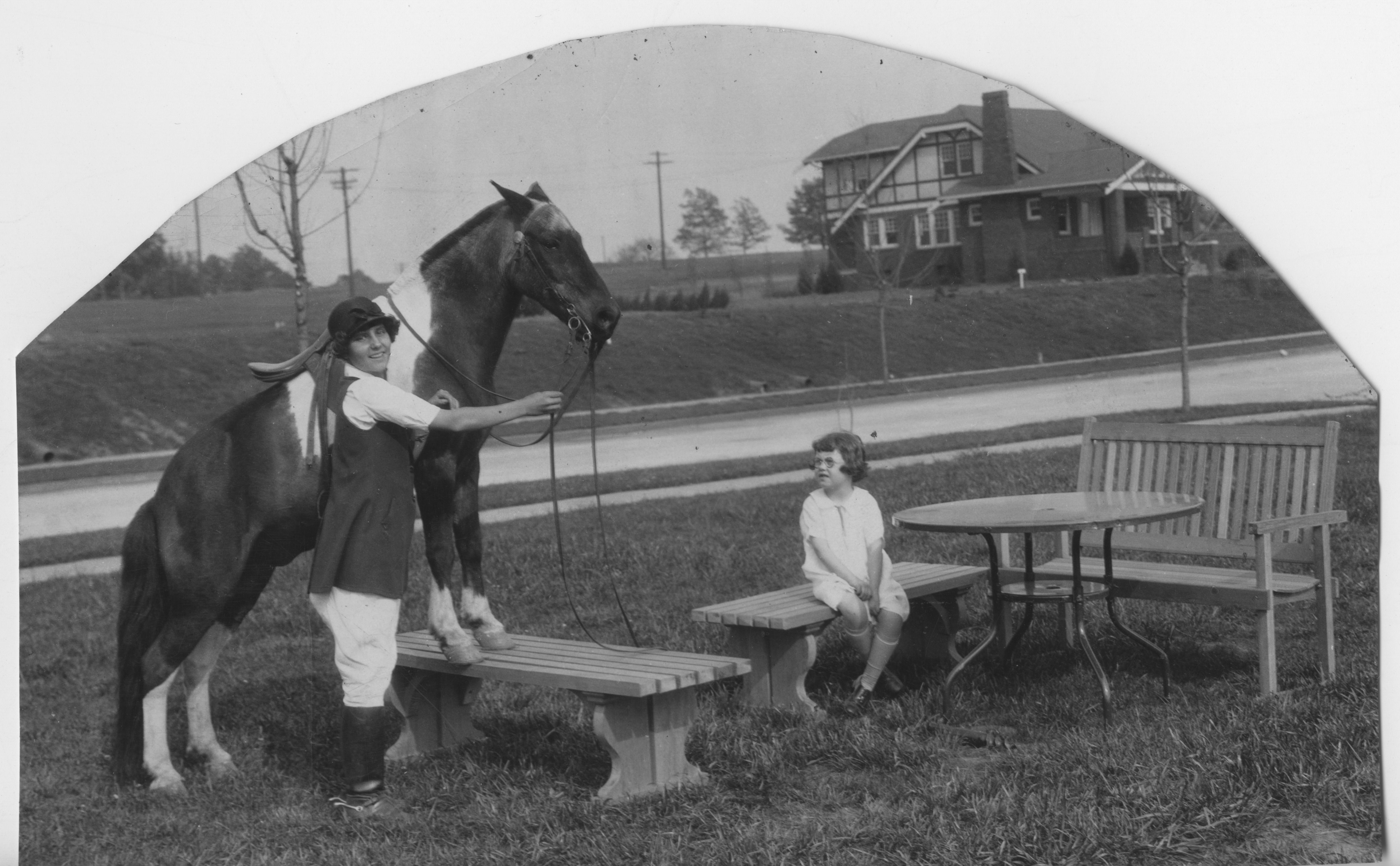
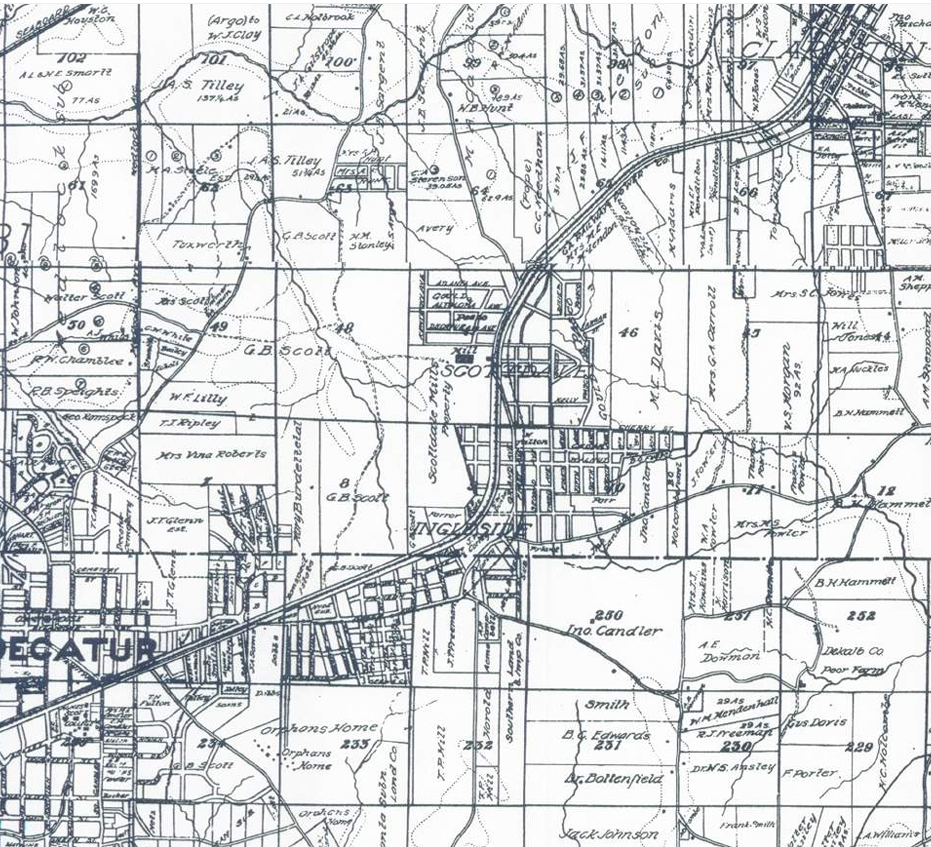
Between Milltown and Model City: Identity, Place, and Memory in Suburban Atlanta is the working title of a research project that explores how different residents of central DeKalb County made, maintained, and remember a sense of place over the course of the 20th century in several communities located east of the city of Atlanta: Eskimo Heights in Scottdale, the former Scottdale Mill town, Avondale Estates, and the geographic space between Avondale and Scottdale formerly known as Ingleside. All these communities had their beginnings in the land-use transitions of the New South and underwent further change after World War II.
The project asks:
- How were distinct communities formed in DeKalb County at the turn of the 20th century and how did these communities create legacies for today?
- How do communities preserve a sense of place and survive or thrive amidst dramatic social and economic change, a scarcity of resources, or even neglect?
- How do we live and remember through and with our surroundings, marking the landscape, naming places, and preserving spaces?
DeKalb History Center
Both Scottdale and Avondale were carved by developers from Ingleside, a collection of farms centered around a small commercial district at the intersection of Covington and Stone Mountain Highways. Both were different by design: Scottdale was a segregated mill village; Avondale Estates a white-restricted model suburb. Amidst these two planned white communities, African Americans acquired property and made their home in areas like Eskimo Heights and nearby Porter Road. Resident benefactors like Tobie Grant and Robert Shaw invested in land and donated tracts for community education, recreation, and worship in Scottdale. Today the memoryscape of the mill village is largely gone but a variety of spaces and institutions remain as testaments to the impact of African Americans in Scottdale. Avondale Estates actively worked to preserve a sense of place through historic preservation, real estate, and policing. Today the community seeks greater inclusion while confronting the legacies of the past.
The project is drawing on a wide range of historical sources such as maps, planning documents, newspapers, Census records, and other archival sources. However, these sources don’t always tell us much about communities or how they are remembered by residents.
So oral histories are centrally important to this project. I will be recording the memories and stories those who lived, worked, did business, or went to school in these communities. I am interested in talking with folks about a range of topics including schools, houses of worship, neighborhood life, community organizing, race relations, work, businesses, and relationships to other communities.
I hope you will consider being interviewed!
About me
I am a public historian and history professor at Georgia State University. I’m trained as a folklorist as well as a historian and have lived in Georgia since 2008. I moved here from Philadelphia, where I worked in museums doing oral history and exhibit projects with teachers and local communities. I’m excited to undertake this new project about my adopted home.
I am particularly interested in interviewing anyone who has grown up, lived a longtime in, or has a connection to Scottdale history.
For questions or to arrange a conversation, please contact me:
Kate Wilson
Associate Professor
Georgia State University
kewilson@gsu.edu
kathrynwilson880@gmail.com
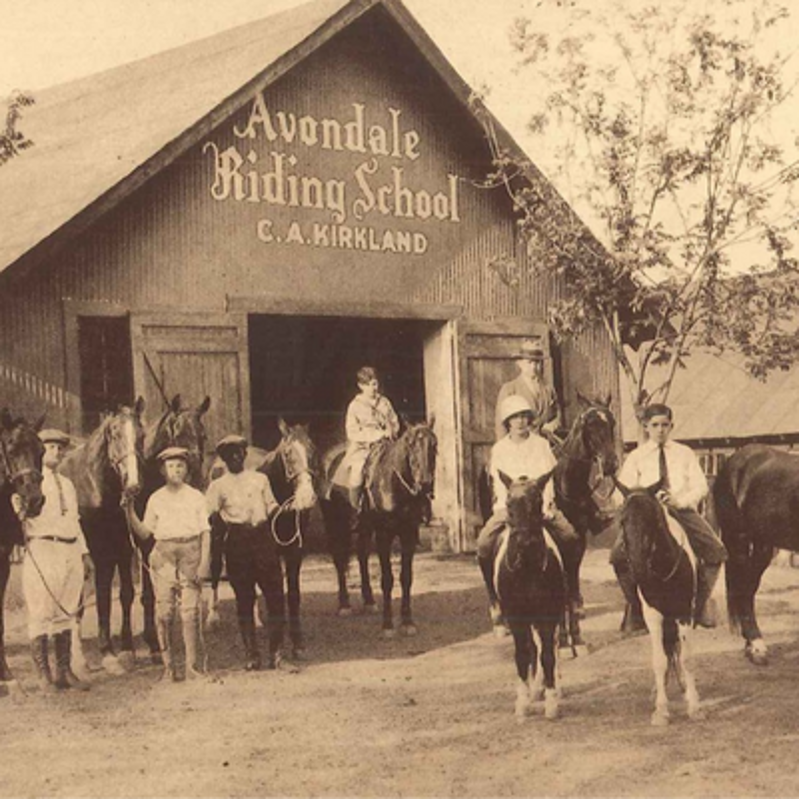
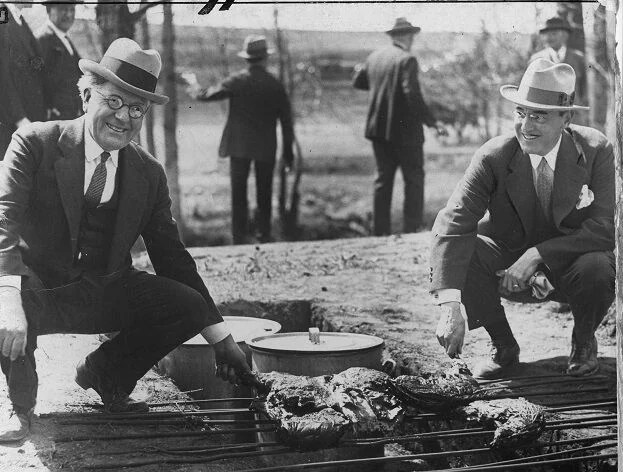
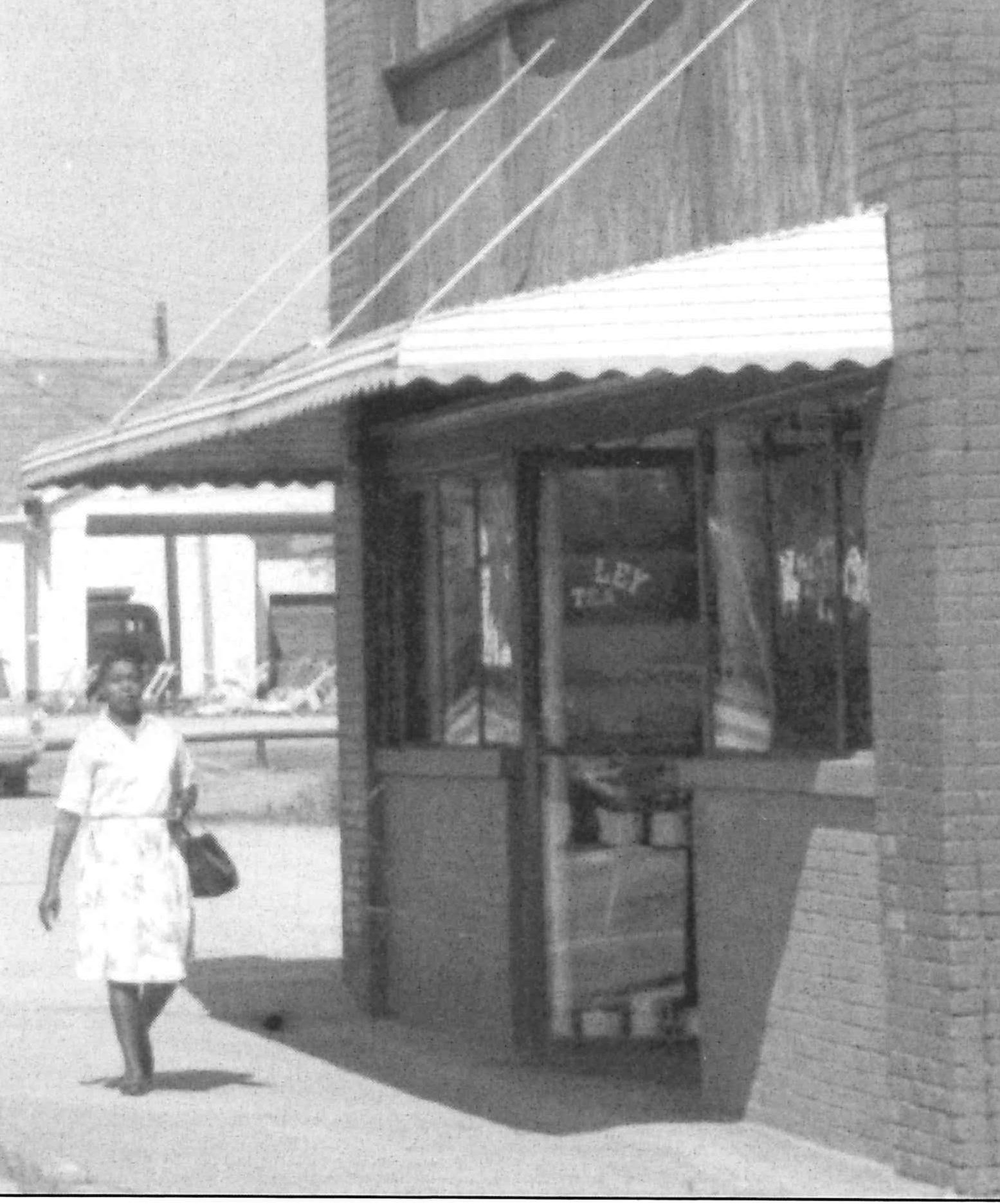
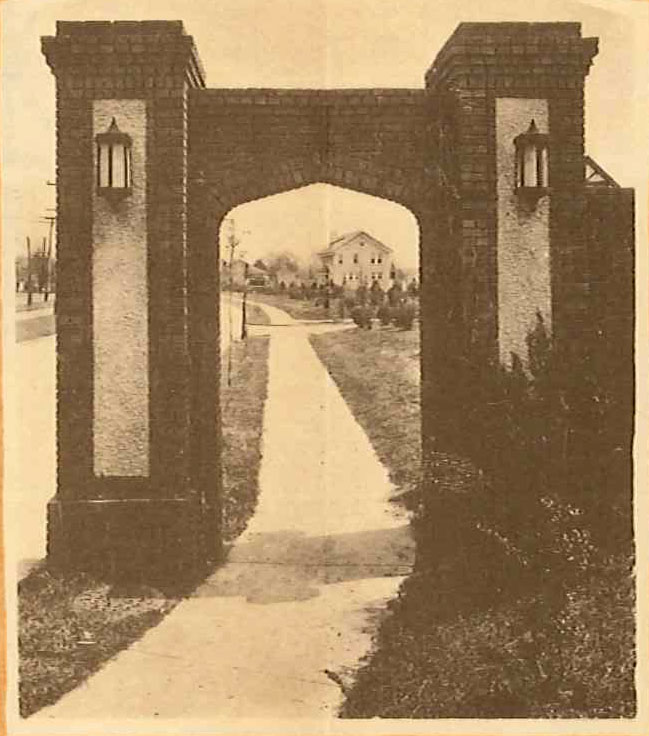
Some images from the archives and media:
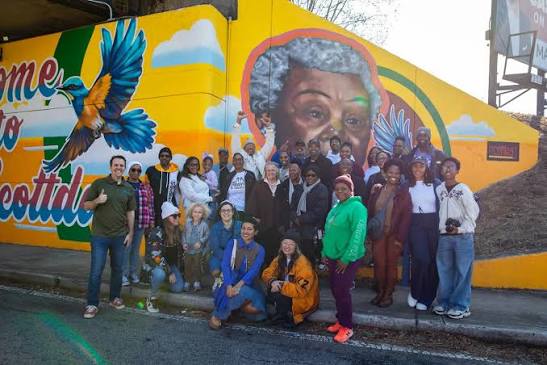
Living Walls
https://www.instagram.com/p/DSYDSZAlWPo/
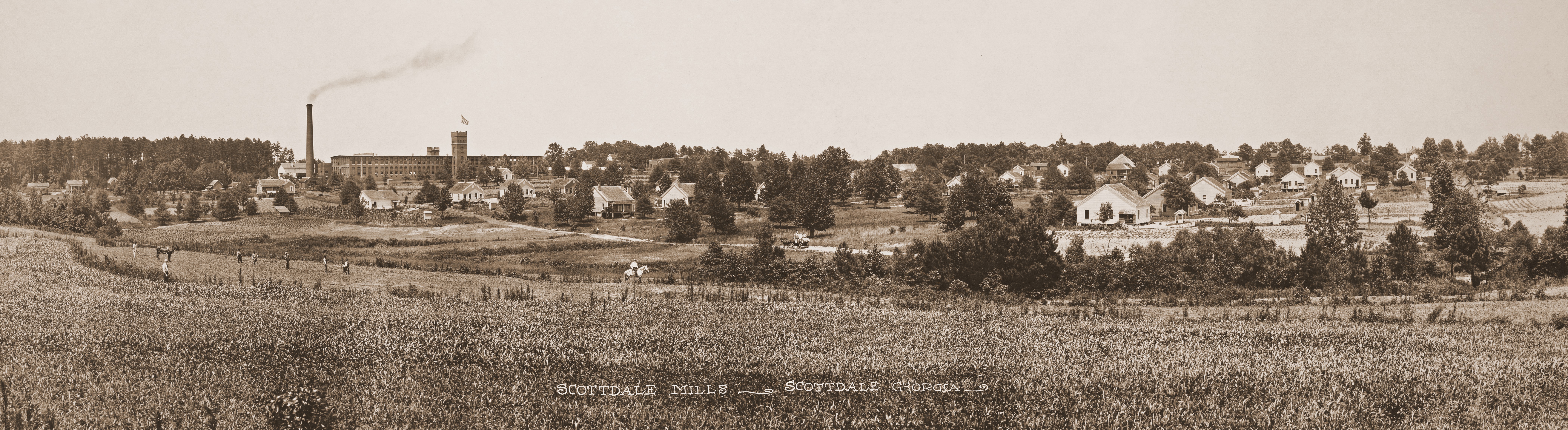
DeKalb History Center
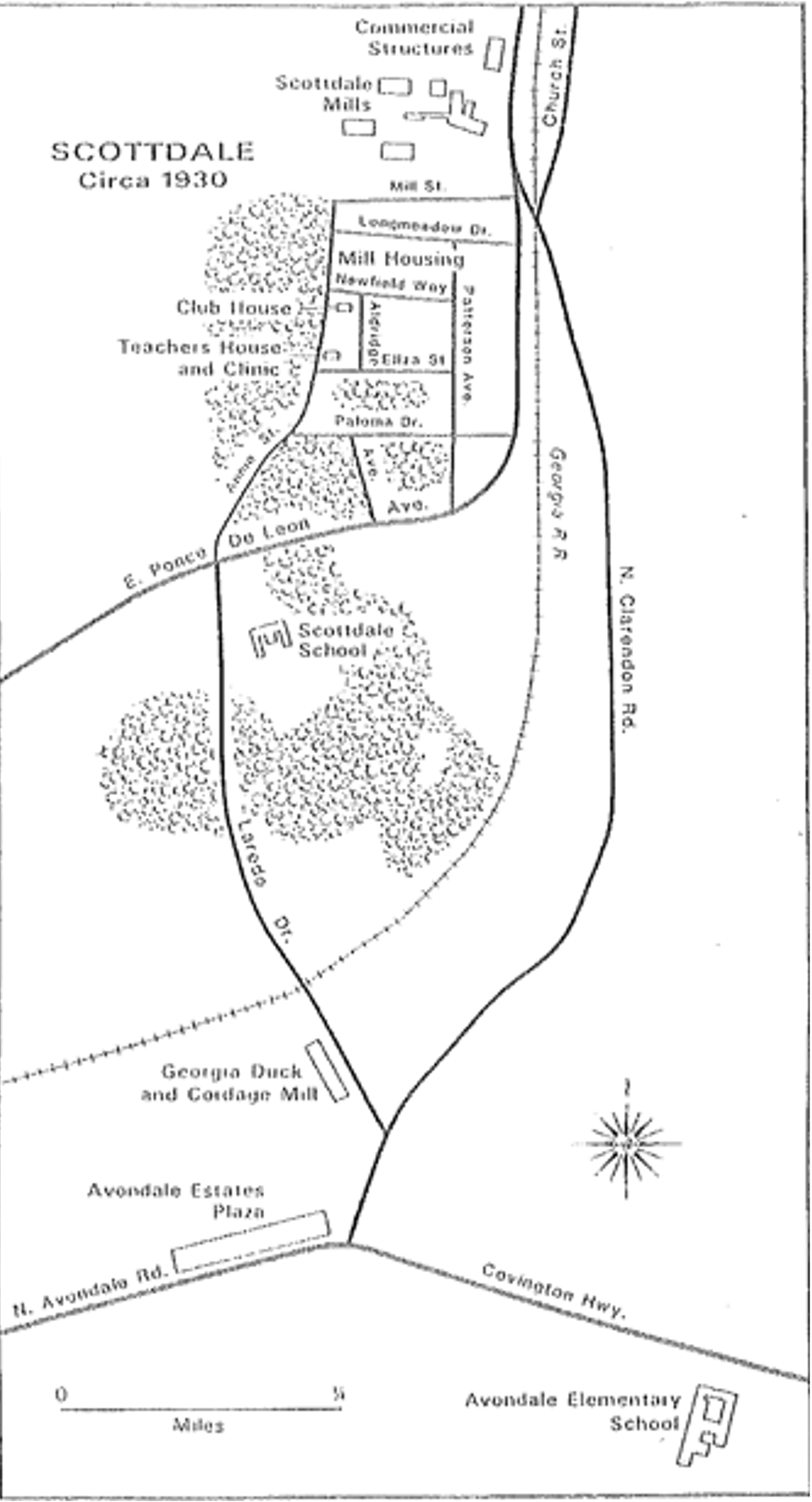
DeKalb History Center
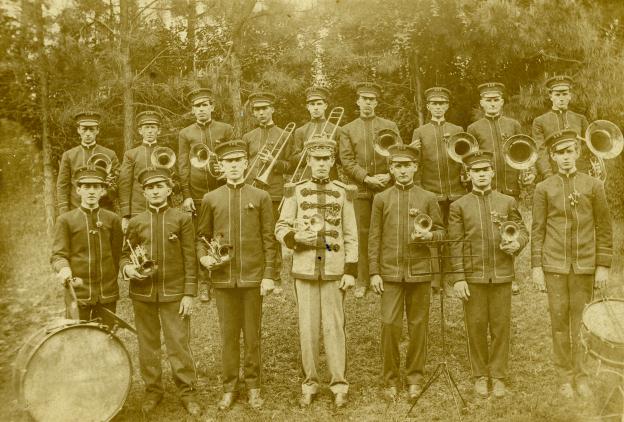
DeKalb History Center
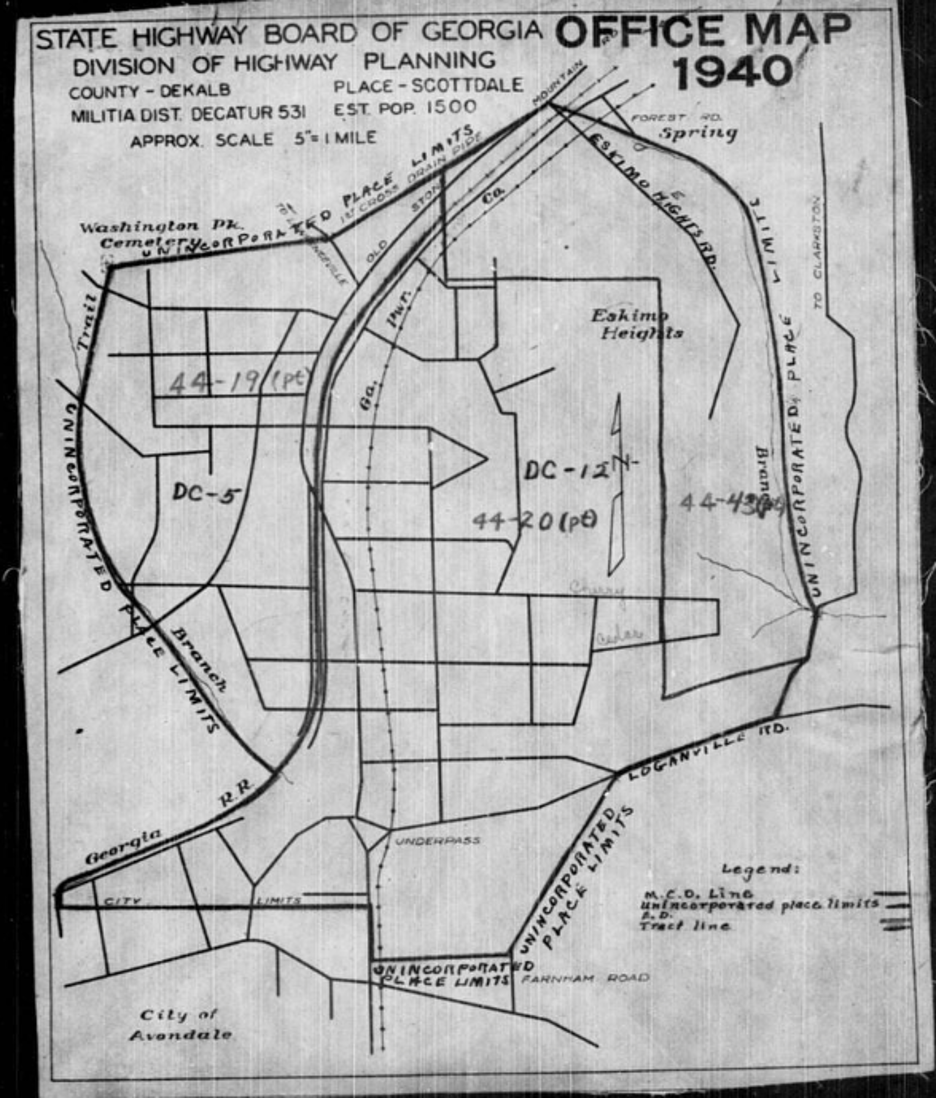
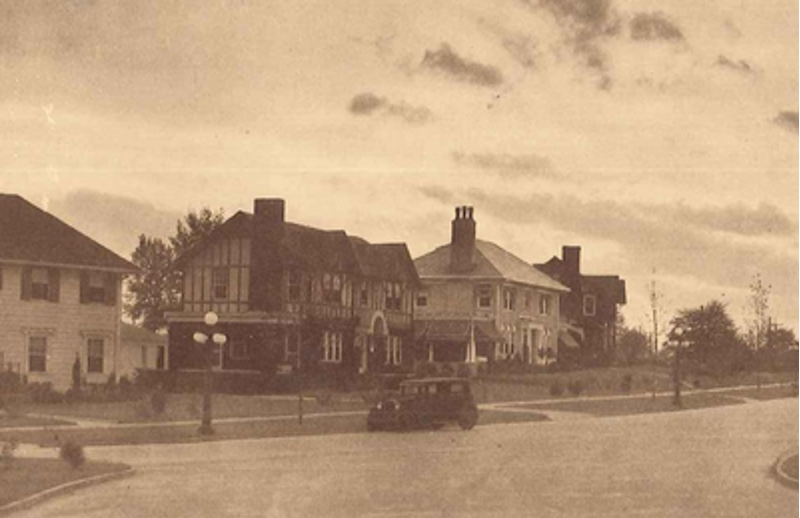
DeKalb History Center, Forkner Collection